




Cold Room Layouts With Cleaner Closure
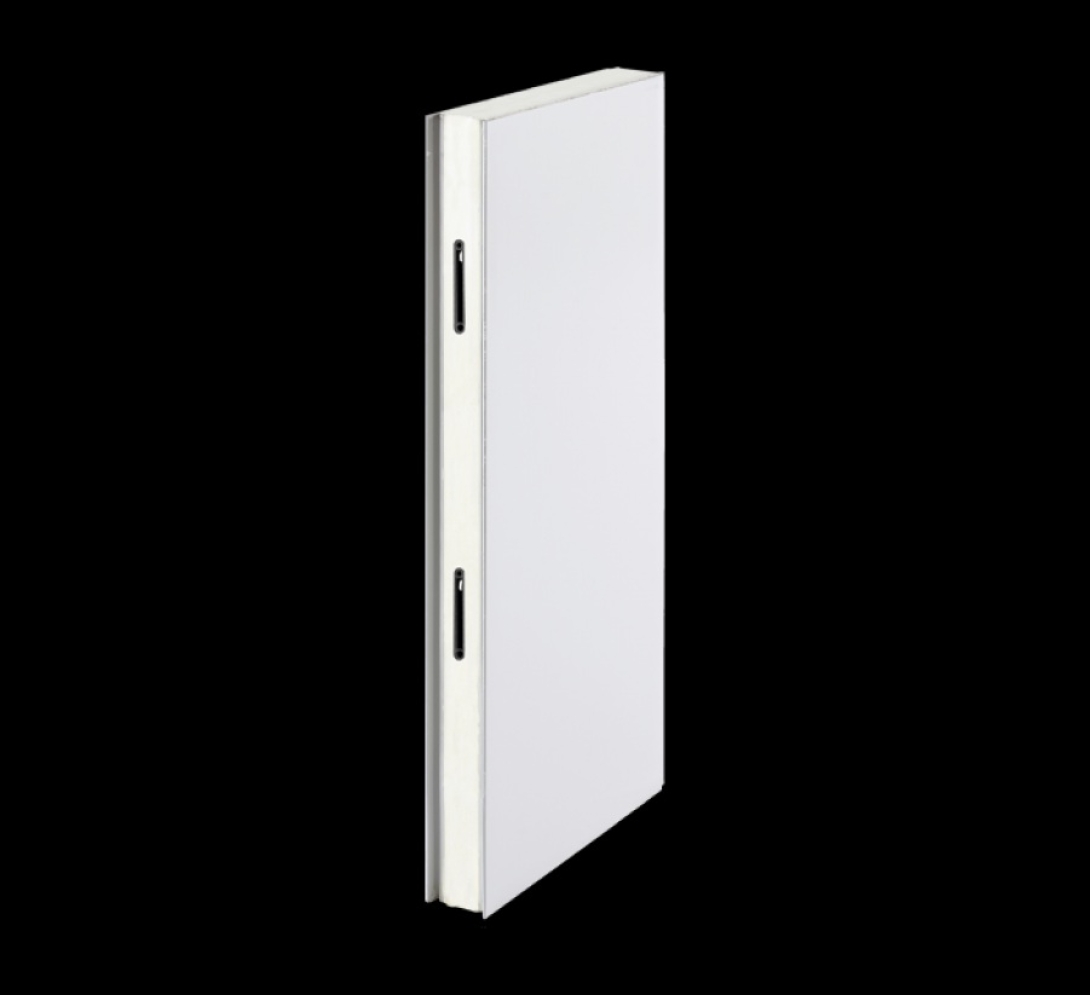
Cold Room Layouts With Cleaner Closure | Narrow Panel Planning
Build cleaner cold room layouts with narrow panels that improve closure, reduce awkward wall endings, and support better fit, hygiene, and finish quality.
Cold Room Layouts With Cleaner Closure
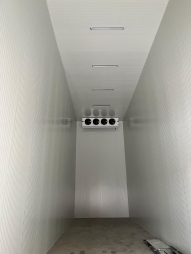
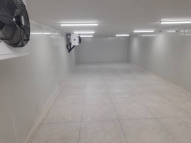
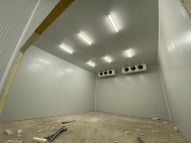
Cleaner closure in a cold room layout usually starts with using the right panel width at the right point in the wall run. When a standard panel leaves an awkward closing span, a narrow panel often creates the cleaner solution by improving fit, reducing field compromise, and keeping the enclosure visually and functionally consistent.
That matters because closure is not just a finishing detail. In cooler rooms, freezer rooms, and refrigerated work areas, the last section of a wall can affect cleanability, joint quality, traffic flow, door relationships, and the overall feel of the installation. A layout that closes cleanly is easier to maintain, easier to trust, and easier to live with over time.
Where Cold Room Layouts Start Losing Clean Closure
Most cold room layouts do not fail in the middle of a wall line. They lose control at the end.
A wall line approaches a corner, an opening, a service area, or an existing building condition. The remaining width appears manageable, but it no longer fits a standard panel size. At this point, the project reaches a familiar decision point: either finish the system with a panel width suitable for the final condition or force a closure with a temporary solution.
It is at this point that the quality of the closure begins to distinguish well-planned rooms from those that are merely completed.
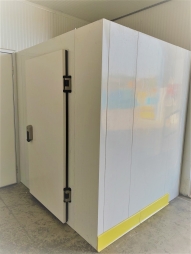
In real facilities, the end of a wall line is rarely neutral. It may be near a door frame, alongside a cleaning path, along a narrow corridor, or in a visible back area where inspectors, auditors, and staff see the same finish every day. When this final closure feels improvised, the room often carries that impression permanently.
For contractors, this becomes an installation quality control issue. For facility managers, it becomes a maintenance and usability issue. For operators, it becomes part of the room’s daily experience.
Why Does Poor Sealing Create More Than Just a Cosmetic Issue?
Since the room may still appear technically complete, an odd closure point can easily be overlooked.
However, in cold room construction, a poor closure typically combines several minor issues. A wall may end with a visually irregular rhythm. Clean detailing at a joint may become difficult. A trim transition may appear forced. The final section may be too close to traffic, equipment, or cleaning tools. In tight spaces, sealing errors can quietly steal usable space in areas where staff movement is already difficult.
This is where layout decisions begin to impact operations.
A room with inadequate sealing is often harder to clean thoroughly. Premature wear may be visible in the sealing joints. This can create a surface that appears less meticulous than the rest of the enclosure. In high-standard food and cold storage environments, these are not minor issues. They shape how the room is perceived, cleaned, and maintained.
Therefore, a clean seal is not just about appearance. It concerns fit, function, and long-term control.
The Risk of Pushing the Limits of the Final Wall Fit
An incorrect seal selection rarely fails immediately. It gradually creates friction.
A panel may technically fit the seal gap after on-site adjustment, yet still yield an inadequate result. Cleaning the wall line may become difficult. The seal point may begin to show signs of wear sooner than expected. The final section may not align properly with adjacent panels, corners, or openings. In a narrow refrigeration or freezer room, this final sizing issue can also affect how vehicles, shelves, or personnel move around the area.
This makes it easy for the closure risk to be overlooked during installation and difficult to address later.
Even if a product is technically usable, it may be the wrong choice for the sealing requirement. This usually becomes apparent after the room has begun regular use. By that point, the finish has been accepted, the layout has been fixed, and the daily inconvenience has become part of the facility’s routine.
The result isn’t always a dramatic failure. More often than not, that room just never feels quite right.
Comparing Sealing Strategies
When a cold room layout reaches its final stage, the key decision is not merely between panel and panel. It is between controlled sealing and improvised sealing.
| Option | Best Use Case | Main Advantage | Main Tradeoff |
|---|---|---|---|
| Narrow panel | Tight final spans, visible closure zones, dimension-sensitive layouts | Cleaner finish, better alignment, more controlled closure | Needs proper planning early |
| Standard panel | Open, repeatable wall runs with consistent dimensions | Efficient and economical in straightforward layouts | Weak fit when the closing span becomes too small or awkward |
| Field-adjusted closure | Limited one-off correction in lower-sensitivity areas | Flexible in the moment | Less consistent finish, more labor variation, higher long-term regret |
For most cold room layouts, narrow panels are a better choice when sealing quality affects more than just the wall itself. If the final result affects hygiene, appearance, usable space, or adjacent components, a panel width suited to the purpose generally yields better results.
Why Do Narrow Panels Provide a Cleaner Seal?
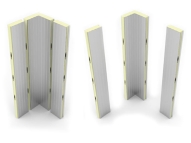
Narrow panels solve a very specific problem: they ensure the wall is finished neatly without requiring the installer to disrupt the rest of the layout.
This is important because a clean finish depends as much on proportion as it does on performance. The final wall section should look intentional, be properly aligned, and maintain the integrity of the enclosure. A narrow panel helps achieve this by adapting to the remaining opening rather than forcing the opening to accommodate an ill-fitting width.
Practically, this improves multiple outcomes simultaneously.
It helps maintain joint continuity along the wall. It reduces the need for odd on-site adjustments. It supports better alignment at corners and where the wall meets a door. It can also preserve usable opening space in compact rooms where every centimeter counts.
In environments where hygiene is critical, a cleaner closure point supports more controlled detailing and easier cleaning routines. In high-traffic areas, it eliminates some of the weak-looking finish points that are typically the first to show wear.
This is where narrow panels transform from a sizing option into a layout tool.
A Better Layout Solution
The best way to achieve a cleaner closure is to treat the closure gap not as a final-stage adjustment but as an integral part of the original room layout.
This means reviewing the wall sequence in conjunction with door locations, corners, thresholds, equipment lines, traffic routes, and cleaning access. When the final gap is treated as a meaningful part of the room rather than a leftover section, the closure becomes easier to control, and the finished space feels more cohesive.
A good narrow panel strategy should help ensure:
- Cleaner wall edges.
- More consistent panel alignment.
- Better closure at doors and corners.
- Easier cleaning at the final opening.
- Less on-site improvisation.
- A more finished appearance of the back area.
In projects where the Freezewize Cooling System’s installation conditions are specified, narrow panels are typically used to maintain closure quality before the field team has to make last-minute adjustments. This is an example of proper usage. The goal is not just to finish the room. The goal is to finish it in a way that will still look neat even after months of daily use.
Quick Decision Guide
Choose narrow panels when the closure gap affects more than just appearance, and when the final wall condition must remain clean, controlled, and functionally sound.
It is generally the right choice in the following situations:
- The remaining wall width is too narrow for a standard panel to close properly.
- If the closure is located near a cold room door or frame detail.
- If the room’s footprint is compact and space efficiency is critical.
- If the area is visible to managers, staff, or inspectors.
- If rough finish points are unacceptable due to regular cleaning routines.
- If the project team wants a more planned final result with less improvisation on-site.
Standard panels remain a practical choice for long, open, and repeatable wall lines. However, when the final closure becomes critical in terms of dimensions, a narrow panel typically provides a cleaner and more durable result.
Related Solutions
A cleaner closure is usually not just a matter of panel width. It typically yields the best result when related enclosure details are coordinated simultaneously.
Related solutions may include:
- Cold room doors and frame alignment details.
- Corner panels and end-wall transitions.
- Floor and threshold coordination in narrow layouts.
- Gaskets, trim, and hygienic cladding components.
- Protective hardware for wall ends exposed to traffic.
- Cold room and freezer room panel layouts designed to actual site dimensions.
These supporting elements typically determine whether the room is properly sealed or merely closed.
FAQ
What does a cleaner seal mean in a cold room layout?
This means the wall line intentionally ends, aligns properly, supports clean detailing, and does not create preventable operational friction.
Are narrow panels mostly used at the end of the wall line?
This is one of their most common uses. They are particularly valuable when the final opening does not exactly match the standard panel width.
Can narrow panels improve hygiene?
Yes. A better-controlled sealing point can facilitate cleaning and reduce awkward transitions that are difficult to maintain in hygienic environments.
Are narrow panels important in backrooms that customers never see?
Yes. Even if the appearance isn’t visible to the customer, the quality of the seal still affects durability, cleanliness, staff perception, and long-term maintenance burden.
Is a panel adjusted on-site acceptable?
It may be acceptable in limited situations, but it is generally not the best solution when the sealing condition is predictable and critical to the final room quality.
When should sealing planning be done?
As early as possible. The best results are achieved when the final opening is reviewed during layout planning rather than resolved at the end of installation.
Conclusion
Cold room layouts feel better, perform better, and age better when the closure is intentionally addressed.
If the final opening requires a cleaner and more controlled finish, a narrow panel is usually a wiser choice.
A cleaner finish does more than just protect the end of the wall. It ensures better fit, easier maintenance, and a more professional-looking room from day one. If your layout plan is approaching a challenging closure gap, this is the right time to address the issue properly and ensure the entire enclosure functions as a seamless system.