




Overhead Panels That Keep Cold Rooms Tight
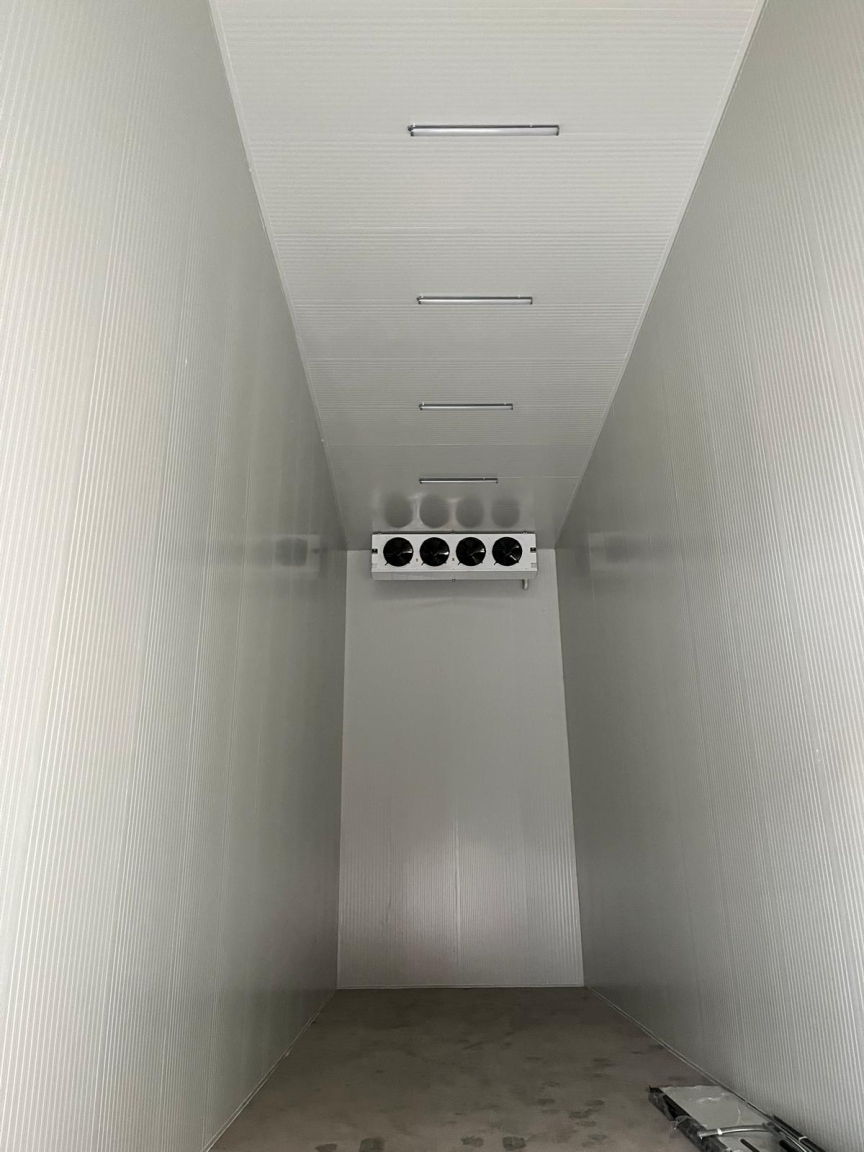
Cold Room Ceiling Panels for Tight, Efficient Refrigerated Rooms
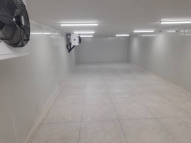
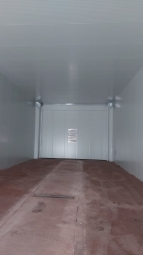
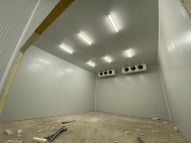
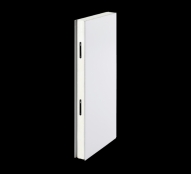
Overhead cold room ceiling panels help control air leakage, condensation, and temperature drift by keeping the top of the room sealed, insulated, and easier to maintain.
Overhead Panels That Keep Cold Rooms Tight
A cold room ceiling panel is not just an insulated top cover. It is a core part of the thermal envelope that helps a cooler room or freezer room stay tight, stable, and operationally reliable. When overhead panels are properly selected and installed, they reduce warm air intrusion, limit condensation risk, and support a cleaner, more controlled refrigerated space.
This matters because many room problems do not start at the door or wall. They start overhead, where weak joints, poor support planning, and under-specified panel construction quietly create temperature loss, moisture issues, hygiene pressure, and long-term maintenance burden.
The Real Problem Starts at the Top
In many facilities, the ceiling receives less attention than doors, floors, or cooling units. This is often a mistake. A cold room may look good at first glance, but performance issues can still arise because the ceiling section is treated as a simple enclosure rather than a functional part of the room.
This shortcoming becomes apparent under real operating conditions. Maintaining the room’s stability may begin to become difficult. Staff may notice surface moisture, light frost, stained joints, or a ceiling area that no longer appears clean and controlled. Maintenance crews may start dealing with recurring sealing issues, sagging equipment mounts, or visible signs that the room is aging faster than expected.
For facility managers and contractors, the issue is rarely just about insulation on paper. The real concern is whether the ceiling system will maintain its performance under the daily operational pressures, cleaning routines, traffic vibrations, service access, and long-term cold storage use.
Why a Ceiling Panel Can Still Be the Wrong Choice
Not every insulated ceiling panel is the right choice for a refrigerated room. A panel may technically fit the opening, but it can still lead to undesirable results.
A poor ceiling panel decision rarely fails in a single dramatic moment. It creates friction over time. Seams may lose their clean appearance. The room may become more sensitive to temperature fluctuations. Condensation may form around seams or holes. Cleaning crews may find surface maintenance more difficult. Inspection readiness may become overly reliant on constant touch-ups rather than a stable design.
Therefore, a ceiling installation that merely “works” is not automatically a good choice. In cold storage facilities, suitability is more important than basic coverage. The panel must support thermal continuity, vapor control, structural stability, and a surface that still looks suitable after repeated use.
The Operational Risk of Doing It Wrong
When ceiling panels lack adequate properties, the cost is rarely limited to a single repair item. The risk spreads throughout the entire room.
A loose or poorly controlled ceiling system can contribute to:
- Heat loss and higher cooling loads.
- Condensation or ice formation at joints and transition points.
- Hygiene concerns during cleaning and inspection cycles.
- Premature visual aging in back-of-house areas.
- More frequent sealing, hardware, or support adjustments.
- Growing doubt that the room was designed correctly from the start.
For food businesses, supermarkets, processing plants, kitchens, and cold storage operators, these are not merely cosmetic issues. They affect the room’s reliability, workforce confidence, maintenance planning, and the facility’s overall standard.
Where Proper Ceiling Panels Make a Difference
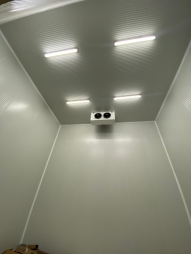
A well-designed cold room ceiling panel system not only ensures proper insulation thickness but also helps maintain the room’s airtightness. It creates a controlled ceiling plane with fixed joints, reliable support logic, and surfaces that are easier to clean.
In practice, the best-performing ceiling panels typically share several key features:
- Consistent insulated core performance throughout the room envelope.
- Tight panel-to-panel connections that minimize air leakage paths.
- Reliable suspension or support design suitable for the room’s layout and usage.
- Clean interior surfaces that support hygiene expectations.
- Compatibility with transitions, lighting, suspension points, and service planning.
- Sufficient structural reliability to ensure the ceiling does not feel “temporary” or makeshift.
When these elements are properly addressed, the room feels more complete. It maintains its standards not just initially, but throughout the years that follow.
Cold Room Ceiling Panels and General Ceiling Cladding
For many projects, the key decision is not whether to enclose the top of the room. The decision is whether to use a specially designed cold room ceiling panel system or to rely on a more general ceiling installation not designed with cold room performance in mind.
| Decision Factor | Purpose-Built Cold Room Ceiling Panels | Generic Insulated Overhead Closure |
|---|---|---|
| Thermal envelope control | Designed to function as part of the room system | Often treated as basic overhead coverage |
| Joint tightness | Better suited for controlled panel-to-panel sealing | More likely to depend on field improvisation |
| Moisture resistance | Stronger fit for condensation-sensitive environments | Higher risk around seams and penetrations |
| Hygiene presentation | Cleaner, more consistent interior finish | Can age faster visually |
| Maintenance outlook | More predictable long-term ownership | More reactive upkeep over time |
| Suitability for refrigerated rooms | High | Depends heavily on field details |
This is where many purchasing decisions become clear. If the room must remain airtight, clean, and operationally stable, the ceiling must be designated as an integral part of the cold room system—not as an afterthought.
What Makes a Room Airtight in Daily Operations
An airtight room is created not by claims, but by details. Ceiling panels perform best when the entire ceiling system is considered from the very beginning.
This includes panel thickness, joint design, gap logic, support method, and how the ceiling interacts with walls, doors, and service penetrations. It also includes what happens after installation: cleaning routines, access for maintenance, vibrations from nearby activities, and constant exposure to the warm ambient air outside the room envelope.
A robust cold room ceiling panel strategy should consider the following:
Joint Integrity
Ceiling joints are one of the most critical control points in the room. If joints are weak, inconsistent, or misaligned, the room may begin to lose its airtightness long before the problem becomes visually apparent.
Transition Planning
Lighting, sprinkler coordination, mechanical penetrations, and suspended fixtures can compromise the ceiling if addressed too late in the process. A panel system should manage these details without disrupting the workflow.
Surface Cleanability
In food-contact and hygiene-sensitive operations, ceiling finishes are critical. A ceiling that is difficult to clean or prone to staining increases routine workload and causes the room to age more quickly.
Structural Integrity
Large spans, suspension requirements, and load planning must be addressed in advance. A ceiling that appears or feels inadequately supported creates both operational concerns and a sense of visual instability.
The Right Solution for Tight and Stable Refrigerated Rooms
The best solution is typically a purpose-built, insulated ceiling panel system tailored to the room’s actual operating conditions. This means selecting ceiling panels not just based on nominal insulation values, but according to room size, temperature range, support requirements, traffic conditions, and maintenance expectations.
For cooling and freezing rooms, the ceiling must be defined as a performance layer supporting the entire exterior envelope. This typically entails:
- Insulated panels sized not just by span but by application.
- Tight connection details that support long-term room integrity.
- Suspension and span planning suited to building conditions.
- A finish suitable for cleaning and back-of-house access.
- Detailing compatible with wall panels, doors, and service points.
This is where experienced cold room planning becomes crucial. The Freezewize Cooling System treats ceiling panels as part of a comprehensive room strategy and helps contractors, operators, and facility teams bridge the common gap between “installed” and “truly right for the room.”
Quick Decision Guide
If your project includes one or more of the following conditions, choose a higher-performance cold room ceiling panel approach:
- The room must maintain a constant temperature with minimal deviation.
- Condensation control is critical.
- Hygiene and cleanability are important in daily operations.
- There are holes, lighting, or suspended elements in the ceiling.
- The room is expected to present a good appearance in visible back areas.
- You want not only a low initial cost but also a low long-term maintenance burden.
A simpler ceiling cladding may seem acceptable at the purchasing stage, but it often becomes a more expensive option later on when cleaning burdens, compromised airtightness, or room instability begin to emerge.
If the room needs to maintain its airtightness over time, the ceiling should be specified not just as a ceiling cladding but as a cold room component.
Related Solutions
Projects requiring high-performance ceiling panels often benefit from reviewing related room components as well:
- Cold room wall panels for full cladding continuity.
- Insulated cold room doors for controlled access and reduced leakage.
- Freezer room panels for low-temperature applications.
- Hygienic cold storage linings for facilities sensitive to cleaning and inspection.
- Cold room hardware and sealing details for better long-term compatibility and maintenance control.
These related solutions become most valuable when selected together, rather than being addressed individually after the room has already been put into service.
FAQ
How do cold room ceiling panels help maintain the room’s airtightness?
By providing a continuous insulated lining on the upper part of the room, they help reduce hot air ingress, moisture transfer, and performance loss at joints or transition points.
Are ceiling panels important in both freezer rooms and refrigerated rooms?
Yes. Ceiling-related issues typically arise more quickly in freezer rooms, but in refrigerated rooms as well, improperly selected ceiling panels can lead to condensation, hygiene issues, and long-term efficiency losses.
What are the causes of ceiling panel issues in refrigerated rooms?
Common causes include poor joint control, inadequate support planning, improperly handled transitions, incompatible panel selection, and treating the ceiling as a general enclosure element rather than an integral part of the room system.
When should a contractor choose custom-designed cold room ceiling panels?
These panels should be selected when the project requires reliable temperature control, a clean interior appearance, moisture resistance, and a ceiling solution that requires less maintenance.
Do ceiling panels affect long-term ownership costs?
Yes. A better ceiling panel system can reduce repetitive maintenance, limit premature visual deterioration, and help maintain the room’s standards for a longer period; this increases the value of ownership over time.
What should buyers consider before selecting ceiling panels?
They should consider room temperature, opening and support conditions, service access, cleaning routines, hygiene expectations, and how the ceiling should interact with the rest of the cooled enclosure.
Conclusion
A refrigerated room does not remain airtight simply because the ceiling is insulated. It remains airtight because the ceiling panel system is selected, detailed, and supported as an integral part of the room’s actual operational logic.
When the ceiling is right, the entire room feels more stable, more controlled, and more valuable to own.
If you are planning a refrigerated or freezer room and want a ceiling panel solution that supports long-term performance, it’s worth reviewing the ceiling specifications before minor issues turn into persistent operational problems.